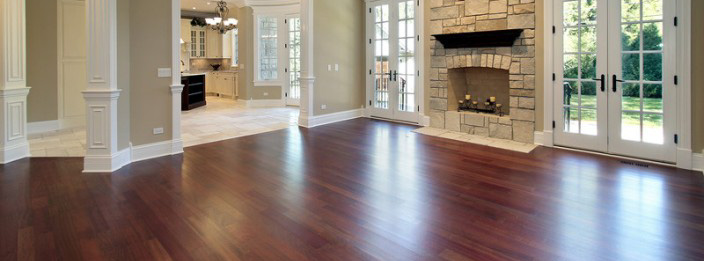

National Floors provides professional hardwood floor refinishing, sanding, staining, repair, and restoration in Newark, California. Hardwood floors can last for generations, but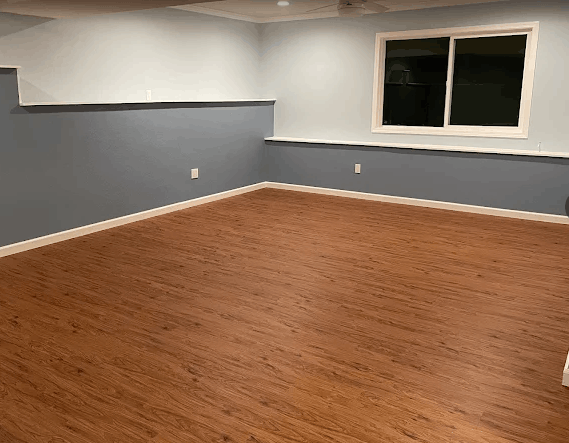 years of foot traffic, pets, furniture, spills, remodeling, and normal household use eventually take a toll on both the finish and the wood beneath it.
Refinishing can often restore a worn hardwood floor without replacing it, but sanding should never be automatic. We first evaluate the flooring, its condition, previous sanding, damaged areas, and the amount of usable wood remaining before recommending the appropriate work.
Hardwood Floor Refinishing in Newark
A hardwood floor may gradually lose its appearance as the protective finish becomes scratched, dull, and worn. High-traffic areas usually deteriorate first, and once the finish becomes sufficiently thin, the exposed wood can begin absorbing dirt and moisture.
Professional refinishing removes the deteriorated coating and a controlled amount of wood from the surface, preparing the floor for a new protective finish or stain color.
- Dust-controlled sanding removes old coatings, surface scratches, discoloration, and normal traffic wear.
- Hardwood floor repairs can correct damaged or missing boards before refinishing.
- Custom staining allows the existing hardwood to take on a different color.
- Professional-grade finishes protect the newly restored surface and are available in different sheen levels.
- Pre-sanding assessment helps determine whether another complete refinishing is appropriate.
Learn more about our hardwood floor refinishing and restoration services.
Restoring Worn Oak Floors in Newark Homes
Oak flooring can remain serviceable long after its original finish has become worn and unattractive. Scratches, faded traffic lanes, dull areas, and discoloration can make a floor look much older than the underlying hardwood actually is.
When the damage is primarily within the finish and upper surface of the wood, sanding can expose fresh hardwood and dramatically change the appearance of the room.
That does not mean every mark should be aggressively sanded until it disappears. Deep dents, pet stains, water damage, and other defects can extend farther into the wood than normal sanding should reach. Preserving the usable thickness of the flooring is more important than sacrificing excessive material to eliminate one deep imperfection.
Repairing Localized Damage Instead of Replacing the Entire Floor
A hardwood floor does not necessarily need to be replaced because several boards are damaged. Water leaks, pet stains, remodeling, damaged floor vents, removed walls, and other isolated problems may affect only a small portion of an otherwise sound floor.
When compatible material is available and the surrounding flooring remains suitable for restoration, individual boards or sections can often be repaired before the complete floor is refinished.
A successful repair involves more than matching the approximate color of the wood. Species, board width, thickness, milling, grain, installation direction, and the age of the surrounding floor can all influence the final appearance.
Once the necessary repairs have been made, sanding and refinishing the connected area together can help integrate the repaired flooring with the existing hardwood.
Learn more about our hardwood floor repair services.
Water and Pet Damage Require a Closer Look
Water and pet damage can range from relatively minor discoloration to problems that extend deeply into the flooring. The correct repair depends on what actually happened to the wood.
A superficial mark may improve or disappear during normal sanding. A deep urine stain or prolonged water exposure can penetrate well below the surface. Moisture can also cause boards to swell, cup, separate, or become permanently damaged.
Simply sanding deeper is not always the solution. If removing a stain would require taking away too much usable hardwood, replacing the affected boards may be the better approach.
We evaluate the damaged area before deciding whether sanding, localized repair, board replacement, or a combination of these methods makes the most sense.
Older Hardwood May Still Have Decades of Life Remaining
The fact that a hardwood floor is old does not mean it has reached the end of its useful life. Solid hardwood was designed with enough material above the tongue-and-groove joint to allow professional refinishing when conditions permit.
What matters is the floor's history. Every previous sanding removes some wood. A floor that has already been refinished several times may have much less usable material remaining than another floor of the same age.
Before sanding an older Newark hardwood floor, we look for indications of previous refinishing, exposed or nearly exposed fasteners, weakened board edges, excessive movement, and other signs that the floor may be approaching its sanding limit.
Age is one piece of information. The physical condition of the flooring is what determines whether another refinishing is appropriate.
Engineered Hardwood Needs a Different Assessment
Newer and remodeled homes may contain engineered hardwood rather than traditional solid flooring. Engineered hardwood has a real-wood surface, but the thickness of that surface varies considerably between products.
Some engineered hardwood floors contain a substantial wear layer and can be professionally refinished. Others have only a thin layer of hardwood and should not be subjected to conventional sanding.
Identifying the flooring and evaluating the remaining wear layer are therefore important before any sanding begins. A floor can look like traditional hardwood from above while requiring a very different restoration approach.
Changing the Color of Existing Hardwood
A complete refinishing project also gives homeowners the opportunity to change the color of the floor without replacing the hardwood itself.
Oak accepts a wide range of stain colors, from relatively natural tones to substantially darker shades. Other hardwood species respond differently, and grain variation, repairs, sunlight exposure, and the natural color of the wood can influence the finished appearance.
We prefer to evaluate the actual flooring before making stain recommendations and can discuss the advantages of maintaining a natural appearance versus changing the color.
Learn more about our hardwood floor staining and color-change services.
When Does Refinishing Make More Sense Than Replacement?
Replacement is appropriate when a floor is structurally compromised, excessively thin, extensively damaged, or otherwise unsuitable for restoration. But appearance alone is not a good reason to discard existing hardwood.
A scratched or badly worn floor can still contain plenty of usable wood. Even localized damage does not necessarily justify removing flooring throughout an entire room or home.
When the majority of the hardwood remains sound, repairing problem areas and refinishing the existing floor can preserve the original material and restore its appearance without unnecessary replacement.
Hardwood Stair Refinishing and Installation
Hardwood stair treads receive concentrated traffic and often show scratches, worn finish, and discoloration sooner than surrounding flooring. Existing hardwood stairs can frequently be sanded, stained, and refinished along with adjoining floors.
National Floors also provides hardwood stair installation when stair components need to be replaced or hardwood is being added to an existing staircase.
Why Newark Homeowners Choose National Floors
National Floors is a California C-15 licensed flooring contractor, license #903508. Hardwood sanding, staining, refinishing, restoration, and repair make up the majority of our work, and our crews complete more than 100 hardwood floor refinishing projects in a typical year.
Newark is part of our immediate service area, and our experience with hardwood restoration allows us to look beyond how a floor appears on the surface. We consider its construction, previous sanding, repairs, damage, and remaining usable material before recommending how to proceed.
We use professional sanding equipment and professional-grade finish systems. National Floors requires no labor deposit, and our one-project-at-a-time approach means that once your project begins, our attention remains focused on completing it.
Free Hardwood Floor Refinishing Estimates in Newark
If your Newark hardwood floors are scratched, worn, stained, water damaged, or in need of repair, National Floors provides free in-home assessments.
We can inspect the flooring, identify damaged areas, determine whether another sanding is appropriate, discuss repairs, and review natural or stained finish options before you decide how to proceed.
Call National Floors at (408) 309-1880 or schedule your Newark hardwood floor consultation.
Newark Areas We Serve
We provide hardwood floor refinishing and repair throughout Newark and surrounding communities in the Tri-City area.
