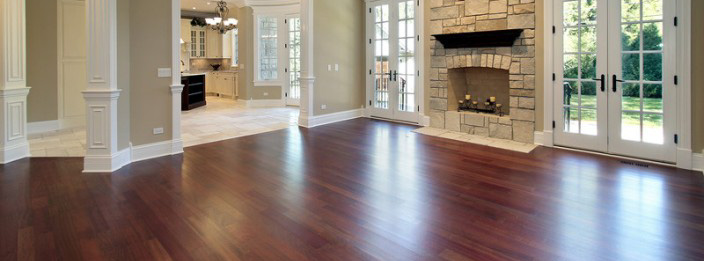

National Floors provides professional hardwood floor refinishing, sanding, staining, repair, and restoration in San Ramon, California. A hardwood floor does not have to be damaged before a homeowner wants something different.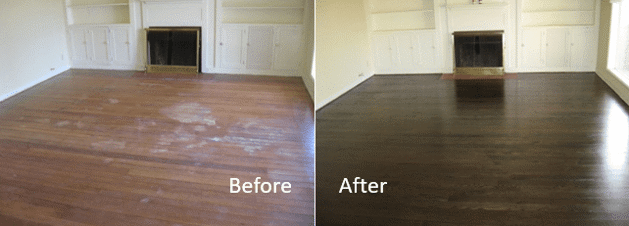
Cabinets change. Paint colors change. Furniture changes. Interior styles change. Meanwhile, a perfectly good hardwood floor may still have the dark stain, golden tone, reddish color, or sheen selected years earlier. When the wood itself remains suitable for refinishing, changing the appearance may be a much better option than replacing the floor.
Hardwood Floor Refinishing in San Ramon
Hardwood flooring gradually develops scratches, dull areas, traffic patterns, and finish wear through normal household use. A floor can begin looking tired or dated long before the wood itself needs to be replaced.
When the flooring is structurally sound and has sufficient usable material, professional refinishing can restore the surface while also providing an opportunity to completely reconsider its color and sheen.
- Dust-controlled sanding removes old coatings, surface scratches, discoloration, and normal traffic wear.
- Hardwood floor repairs can address damaged or missing boards before refinishing.
- Custom staining can substantially change the appearance of suitable hardwood without replacing it.
- Professional-grade finishes provide a new protective surface with different sheen options.
- Pre-sanding assessment helps determine whether the existing floor is a suitable candidate for the work being considered.
Learn more about our hardwood floor refinishing and restoration services.
Your Hardwood May Be Fine — You May Just Be Tired of the Color
One of the most common reasons to consider refinishing is simply that the existing hardwood no longer works with the rest of the home.
A stain color that looked appropriate when the flooring was installed may feel too dark, too red, too orange, or too traditional after the surrounding interior has been updated.
That is an important distinction. If the hardwood remains structurally sound and suitable for sanding, replacing it solely because of its color may mean removing perfectly usable material.
Refinishing allows us to remove the existing finish and, when conditions permit, change the color while keeping the hardwood already installed in the home.

Can a Dark Hardwood Floor Be Made Lighter?
In many cases, yes. When hardwood is suitable for complete sanding, the old finish and much of the existing stain can be removed to expose the wood beneath.
The final result depends on the species and the floor's history. Some stains penetrate more deeply than others, and the natural color of the hardwood still influences how light the completed floor can become.
Previous stain, repairs, replacement boards, sunlight exposure, and natural variation within the wood can also affect the result.
This is why a dramatic color change should be evaluated on the actual floor rather than judged from a photograph or a small stain sample.
Natural Hardwood Is Also a Color Choice
Changing a hardwood floor does not necessarily mean applying another stain.
After sanding, some homeowners prefer the natural appearance of the wood itself. Depending on the species and finish system, a natural floor can create a noticeably different appearance from the darker or warmer stains that may have been popular when the floor was originally installed.
Other homeowners prefer stain because they want the hardwood to coordinate with cabinetry, furniture, trim, or other elements in the room.
There is no single color that is correct for every house. The important part is understanding what the actual wood can produce before making the final choice.
Learn more about our hardwood floor staining and color-change services.
Finish Sheen Can Change the Look of a Room Too
Color receives most of the attention during a refinishing project, but sheen also affects the appearance of hardwood.
A higher sheen reflects more light and can make the surface appear more formal, but it also tends to make scratches, dust, and minor imperfections more noticeable.
Lower-sheen finishes create a more subdued appearance and generally make everyday surface wear less obvious.
Choosing the finish is therefore about more than durability. The sheen should also work with the appearance the homeowner wants and the way the room is actually used.
Updating Hardwood During an Interior Remodel
Kitchen remodeling, new cabinetry, paint changes, furniture, lighting, and other improvements can dramatically change the appearance of a home while leaving the hardwood structurally sound.
Refinishing can allow the existing floor to become part of the new interior rather than something that suddenly looks disconnected from it.
If walls, cabinets, closets, or other features are also being changed, the hardwood should be evaluated early enough to identify any areas that may require repair or additional flooring before the final sanding begins.
Repairs Should Be Completed Before the Final Color Is Chosen
Damaged boards, remodeling openings, water damage, deep stains, and previous repairs can influence how a newly refinished floor looks.
When replacement material is needed, species, dimensions, milling, grain, direction, and the age of the surrounding hardwood all affect how well the repair integrates.
New boards may also absorb stain differently from wood that has been in the home for years. Completing necessary repairs before making the final color decision allows those differences to be considered as part of the complete floor rather than discovered after the stain has already been selected.
Learn more about our hardwood floor repair services.
Solid or Engineered Hardwood Still Matters
Before any major appearance change is planned, we still need to determine what type of hardwood is installed.
Solid hardwood is wood throughout the thickness of the board and can often be refinished multiple times when sufficient material remains above the tongue-and-groove joint.
Engineered hardwood has a genuine hardwood wear layer over a layered core. Some engineered products contain enough usable wood for professional refinishing, while others have a very thin surface layer.
We evaluate the flooring before recommending sanding. A real-wood surface does not automatically mean the floor can safely tolerate conventional refinishing.
Wear Does Not Automatically Mean Replacement
Family rooms, kitchens, hallways, entrances, and other heavily used areas often show finish wear before the rest of a hardwood floor.
Traffic lanes may become dull while flooring beneath furniture and along walls remains relatively protected. Scratches from pets, chairs, furniture, toys, and normal household activity can make the floor look worse than it actually is.
If the primary problem is the finish and upper surface of the wood, normal refinishing can often produce a substantial improvement.
Deep gouges and damage require more judgment. We do not believe in aggressively sanding an entire floor simply to reach the bottom of one unusually deep defect when repairing the affected area would preserve more usable hardwood.
When Replacement Is the Better Choice
Refinishing is not the correct recommendation for every floor.
Replacement may be appropriate when the flooring is structurally compromised, damage is extensive, insufficient material remains for safe sanding, or an engineered hardwood wear layer is too thin for conventional refinishing.
But an outdated color, worn finish, scratches, or a desire for a different appearance does not automatically mean a hardwood floor has reached the end of its useful life.
The purpose of the initial assessment is to determine which condition actually exists before unnecessary replacement work begins.
Hardwood Stair Refinishing and Installation
Hardwood stairs can become visually disconnected from adjoining flooring when the main floor is changed to a new stain color or sheen.
Existing hardwood stairs can often be sanded, stained, and refinished to coordinate with the surrounding flooring. National Floors also provides hardwood stair installation when new components are required.
Why San Ramon Homeowners Choose National Floors
National Floors is a California C-15 licensed flooring contractor, license #903508. Hardwood sanding, staining, refinishing, restoration, and repair make up the majority of our work, and our crews complete more than 100 hardwood floor refinishing projects in a typical year.
Changing the appearance of hardwood requires more than choosing a stain from a chart. The wood species, previous stain, repairs, natural color, condition of the floor, and the amount of material available for sanding can all influence what is realistically achievable.
We use professional sanding equipment and professional-grade finish systems. National Floors requires no labor deposit, and our one-project-at-a-time approach means that once your flooring project begins, our attention remains focused on completing it.
Free Hardwood Floor Refinishing Estimates in San Ramon
If your San Ramon hardwood floors are scratched, worn, dark, dated, or simply no longer fit the appearance you want for your home, replacement may not be necessary.
National Floors can identify the flooring, evaluate its condition, determine whether sanding is appropriate, identify necessary repairs, and discuss natural or stained finish options before you decide how to proceed.
Call National Floors at (925) 608-0200 or schedule your San Ramon hardwood floor consultation.
San Ramon Areas We Serve
Gale Ranch, Windemere, Twin Creeks, Bollinger Hills, Dougherty Valley, Canyon Lakes, Inverness Park, and surrounding San Ramon neighborhoods.
San Ramon ZIP code: 94583
