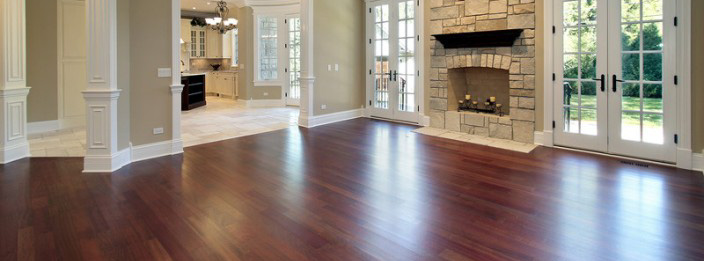

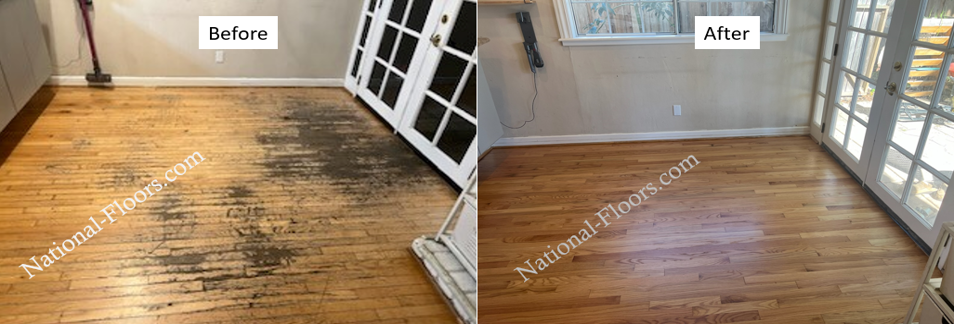
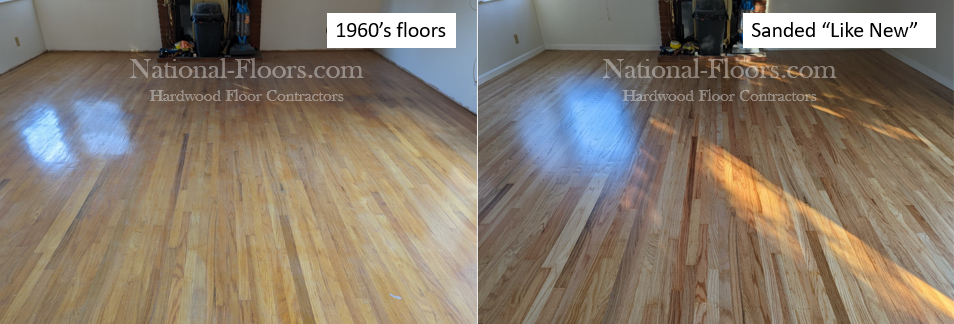
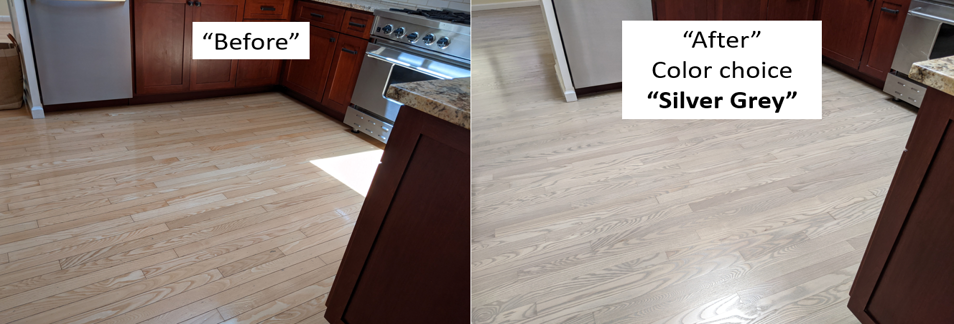
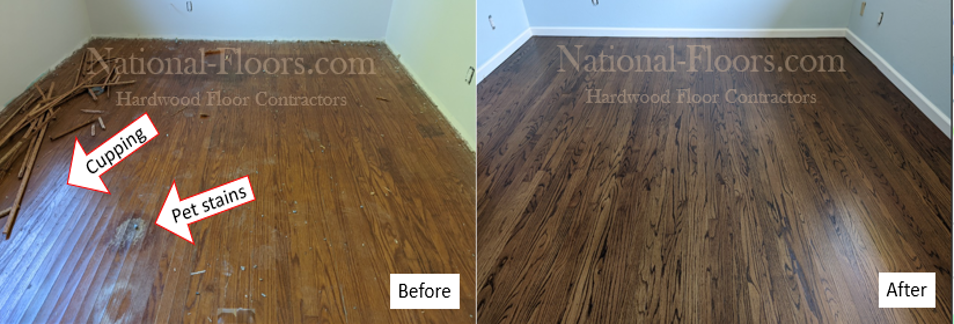
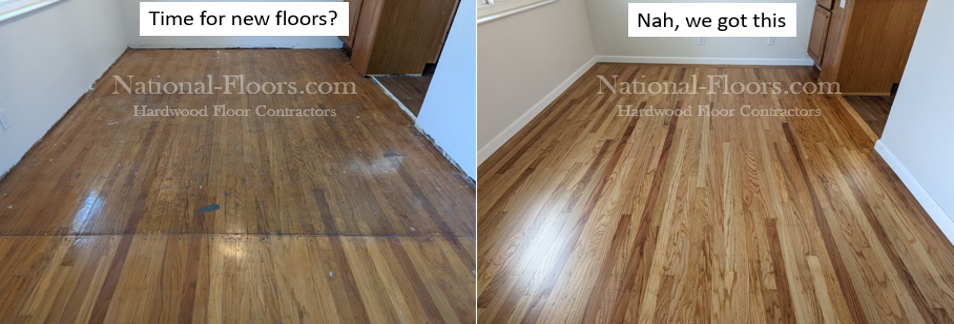

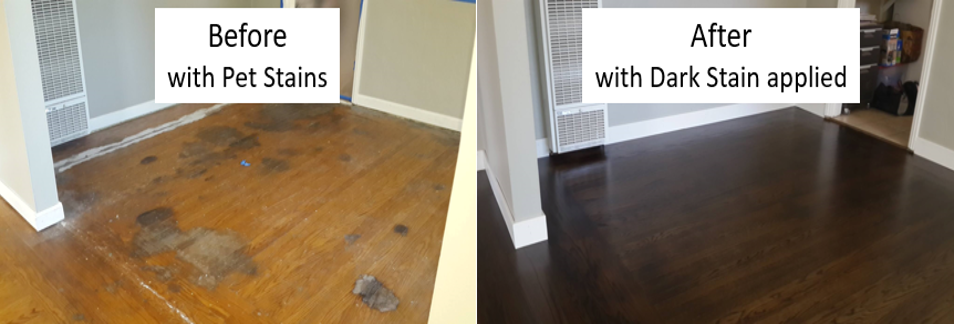
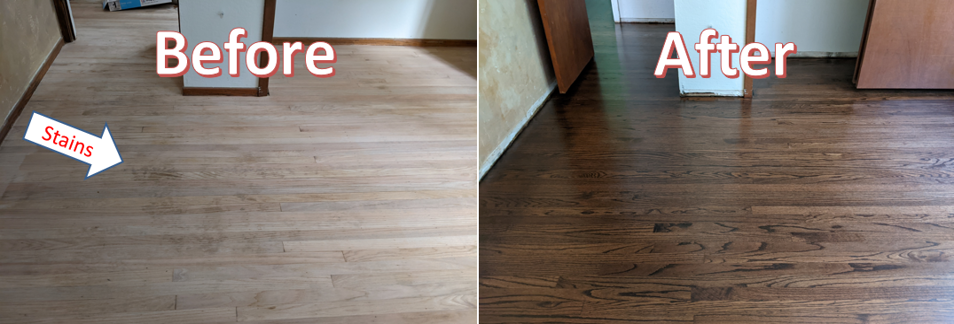
Worn, scratched or faded hardwood floors don't necessarily need to be replaced. In many cases, professional hardwood floor refinishing can remove decades of wear and restore the existing wood to a remarkably close-to-new appearance.
National Floors specializes in hardwood floor sanding, staining and refinishing throughout the San Francisco Bay Area. As a California C-15 licensed flooring and floor covering contractor, we complete more than 100 refinishing projects each year and have extensive experience with solid and engineered hardwood floors, stairs, repairs, staining and professional water-based finish systems.
Before recommending refinishing, we determine what type of floor you have, its condition and whether there is enough usable wood to sand safely. Not every hardwood floor should be treated the same way.
Why Refinish Hardwood Floors Instead of Replacing Them?
One of the advantages of genuine hardwood flooring is that a floor can look badly worn long before it actually needs to be replaced.
Professional sanding removes the old finish and a small amount of the damaged wood surface. This can eliminate many scratches, worn traffic areas, discoloration and other surface damage while exposing fresh wood underneath.
Refinishing offers several important advantages:
- Costs less than replacement. If the existing hardwood is structurally sound, restoring it is generally considerably less expensive than removing and replacing it.
- Creates a fresh wood surface. Sanding removes the worn surface rather than simply covering it with another product.
- Allows a complete color change. Existing stain can be removed and the floor can remain natural or be stained an entirely different color.
- Extends the life of genuine hardwood. Properly maintained hardwood can provide decades of additional service.
- Can dramatically improve a home being prepared for sale. We frequently refinish hardwood floors before homes are placed on the market. Over the years, we've seen many of these properties sell immediately after the floors were refinished. Restoring worn hardwood can completely change a prospective buyer's first impression of a home.
Our Hardwood Floor Refinishing Process
From the homeowner's perspective, refinishing can be broken into three primary stages.
1. Assessment
We inspect the hardwood species, construction, existing finish, wear, stains and damage before beginning work.
We also determine whether the floor is solid or engineered hardwood and whether previous sanding or the thickness of the wear layer affects what can safely be done.
A professional refinishing job begins with knowing the floor before turning on a sanding machine.
2. Sanding
Professional sanding equipment removes the old finish and damaged wood surface while flattening the floor.
Hardwood floors move over time. Individual boards can develop slight differences in height, scratches accumulate and the surface gradually becomes uneven.
During refinishing, the floor is sanded through several progressively finer stages. Wood filler is used where appropriate for hairline cracks, nail holes and minor imperfections before the final sanding stages create a clean, smooth surface.
Once sanding is complete, the worn surface you started with is gone.
3. Stain and Finish
After sanding, the hardwood can remain natural or be stained to change its color.
Once the desired appearance is established, we apply a professional water-based finish system to protect the newly sanded wood. Our professional-grade finishes are not available for purchase by the general public and require professional licensing to obtain.
Water-based finish systems also provide a major practical advantage for homeowners: floors can typically be walked on within 24 hours, and furniture can generally be carefully replaced within 48 hours. Furniture should always be placed rather than dragged across a newly finished floor.
DIY vs. Professional Hardwood Floor Refinishing
Floor sanding machines can be rented, and consumer-grade hardwood finishing products are readily available. That doesn't make hardwood floor refinishing an easy DIY project.
The difficult part isn't simply making the sanding machine move across the floor. It's knowing how to produce a flat, uniformly sanded surface without permanently damaging the wood.
An inexperienced operator can create stop marks, waves, uneven sanding and damage that becomes even more visible once stain is applied.
Staining introduces another set of challenges. Inconsistent sanding can cause the wood to absorb stain differently from one area to another, producing blotches, lines and color variations that may require sanding the floor again to correct.
We use professional-grade water-based finish systems selected for durability, appearance and practical drying times. The difference is not simply the equipment. It's knowing how to use it.
Solid vs. Engineered Hardwood: Can Your Floor Be Refinished?
Before sanding any hardwood floor, it's important to know exactly what type of flooring you're dealing with.
Solid Hardwood Floors
Solid hardwood consists of genuine wood throughout the thickness of the board.
Because there is considerably more usable wood above the tongue and groove, most traditional solid hardwood floors can be sanded and refinished multiple times during their lifetime.
The actual condition and previous sanding history still matter, but this ability to renew the surface is one of the reasons properly maintained solid hardwood can last for generations.
Engineered Hardwood Floors
Engineered hardwood is different. The board consists of multiple layers with a comparatively thin layer of genuine hardwood on the surface. This upper hardwood portion is known as the wear layer.
The thickness of that wear layer determines whether the floor can safely be sanded.
Homeowners are sometimes told when purchasing engineered flooring that it can automatically be sanded two or three times. That should never be assumed. Some engineered products have substantial wear layers, while others have very little material available for sanding.
Sand through the wear layer and the floor can be permanently damaged.
A Simple Way to Check an Engineered Hardwood Wear Layer
If you have a loose or leftover board from the original installation, there's a simple way for us to get an initial idea of what you're dealing with.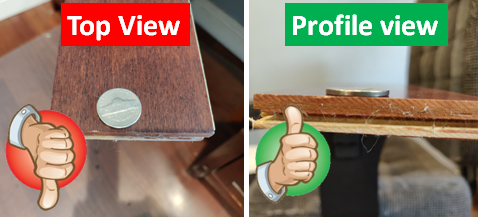
Place a nickel against the side of the board and take a clear photograph showing the flooring profile. The nickel provides a known reference for scale, allowing us to estimate the thickness of the hardwood wear layer.
If you don't have a loose board, the flooring profile can sometimes be viewed at a heater vent, floor register or another location where the edge of the flooring is exposed.
Before sanding an engineered hardwood floor, determine how much actual hardwood is available. Don't guess.
Hardwood Floor Staining and Color Changes
Refinishing gives homeowners an opportunity to do much more than simply restore the original appearance of a hardwood floor. The color can often be changed dramatically.
A floor with an older golden or orange appearance, for example, can be sanded back to bare wood and stained a completely different color. Homeowners can also eliminate an existing stain and return to the natural appearance of the hardwood.
Oak is particularly versatile and accepts a broad range of stain colors. Other species, such as maple, can react differently and require additional care to produce a consistent appearance.
We help homeowners determine what colors are realistic for their particular wood species before staining begins.
Hardwood Stair Refinishing
National Floors also sands, stains and refinishes hardwood stairs and landings.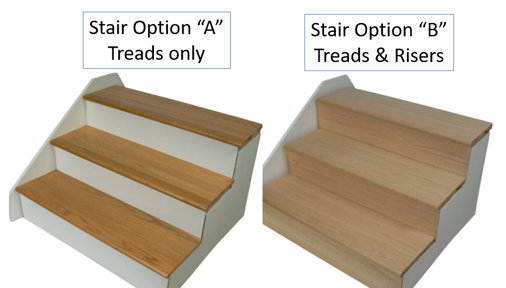
The horizontal surface you walk on is called the tread, while the vertical portion underneath is the riser.
Depending on the staircase and desired appearance, homeowners may choose to refinish only the hardwood tread and paint the riser, or refinish both the tread and riser.
When evaluating a staircase, we consider:
- Hardwood species
- Number of stairs and landings
- Condition of the existing wood
- Treads only versus treads and risers
- Natural versus stained finish
- Desired stain color
- Finish system
When stairs connect directly with newly refinished hardwood floors, the colors can also be coordinated to create a consistent appearance.
What Does Hardwood Floor Refinishing Cost?
Hardwood floor refinishing prices depend on several factors, including:
- Total square footage
- Condition of the existing hardwood
- Repairs that may be necessary
- Natural versus stained finish
- Stain color
- Type of finish system
- Stairs and landings
- Overall project size
Larger projects generally have a lower cost per square foot because even a small refinishing project requires equipment setup and multiple stages of sanding and finishing.
The most accurate way to determine cost is to see the floor.
National Floors provides free in-home estimates throughout our service area. A typical inspection takes approximately 10–15 minutes and allows us to determine what the floor actually needs rather than guessing based solely on square footage.
Sandless Refinishing vs. Full Sand-and-Finish
The term sandless refinishing can create confusion because a sandless process doesn't remove the damaged wood surface.
What is commonly marketed as sandless refinishing is generally a maintenance process in which the existing finish is prepared and another protective coat is applied.
There is absolutely a place for this type of service. If the hardwood itself is in good condition and only the protective finish has become worn, a professional recoat can extend the life of the existing finish without unnecessarily sanding away wood.
But a recoat cannot repair damage underneath the finish.
It generally cannot remove:
- Deep scratches
- Gouges
- Significant discoloration
- Sun fading
- Damaged or uneven stain
- Surface damage extending into the wood
- Significant irregularities in the floor
Those problems require sanding because the damaged wood surface itself must be removed.
A recoat renews the protective surface. Refinishing renews the wood surface.
Knowing which one your floor actually needs can save money while avoiding unnecessary work.
Low-VOC Water-Based Hardwood Floor Finishes
National Floors uses professional water-based finish systems that provide excellent durability while offering lower VOC levels than many traditional solvent-based alternatives.
Water-based finishes also dry considerably faster, reducing the amount of time homeowners need to stay off their floors.
Depending on the hardwood and desired appearance, water-based finishes can preserve a more natural wood color without producing the heavier amber appearance associated with some traditional oil-based finishes.
The finish system is an important part of a refinishing project. Beautiful sanding and staining need equally good protection afterward.
Why Choose National Floors?
Hardwood floor refinishing is a specialty trade.
National Floors is a California C-15 licensed flooring and floor covering contractor, and our crews complete more than 100 hardwood floor refinishing projects in a typical year.
That experience includes solid hardwood, engineered flooring, staining, stairs, repairs, color changes and floors that homeowners initially thought were beyond saving.
We use professional sanding equipment and professional-grade finishing systems and, just as importantly, have the experience to determine when a floor should be sanded—and when it shouldn't.
Our goal isn't simply to sell a refinishing job. It's to determine the appropriate way to restore and protect the hardwood you already own.
Get a Free Hardwood Floor Refinishing Estimate
If your hardwood floors are scratched, worn, faded or simply outdated, replacement may not be necessary.
National Floors provides free in-home hardwood floor refinishing estimates throughout the San Francisco Bay Area.
Call (408) 309-1880 to schedule your free estimate and find out what can be done with your existing hardwood floors.
