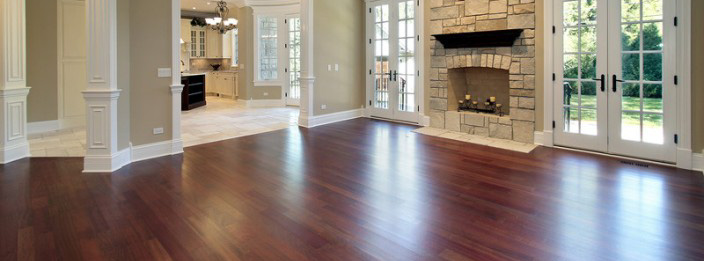


At National Floors, our goal isn't simply to finish quickly. Sanding is what prepares the floor for everything that follows, and rushing this part of the job can affect the final appearance. A properly refinished hardwood floor can last for many years, so a few carefully planned days are time well spent.
How Long Does Hardwood Floor Refinishing Take?
Most straightforward hardwood floor refinishing projects require approximately three to five days of on-site work. Smaller projects may take less time, while larger homes, stairs, extensive repairs, difficult stains, or major color changes can extend the schedule.
The amount of square footage isn't the only consideration. Two 1,000-square-foot floors can require very different amounts of work. One may simply need to be sanded and finished, while another may have damaged boards, pet stains, gaps, previous repairs, or coatings that require additional preparation.
This is why National Floors evaluates the existing hardwood before establishing the project schedule. We would rather give a homeowner a realistic expectation than promise a completion date before understanding the floor.
Sanding Is the Foundation of the Job
The most important part of refinishing happens before the final coat is ever applied.
Our hardwood floor sanding and refinishing process removes the worn finish and exposes clean wood so the floor can be properly prepared for stain and finish. Depending on the size and layout of the home, sanding may require one or more days.
Edges, closets, hallways, transitions and stairs all require additional attention. Repairs may also be necessary before the finishing process begins. Damaged boards can often be replaced and woven into the existing floor so the repair blends naturally with the surrounding hardwood.
This isn't the stage to save a few hours. Sanding mistakes can show through the stain and finish as scratches, uneven color, stop marks or imperfections around the edges of a room. Once the finish goes down, those mistakes become much harder to correct.
Does Staining Add Time?
Yes. If you're keeping the natural color of the wood, the process can move directly from final preparation into the finishing system. Changing the color requires an additional staining step.
Stain needs to be applied evenly and given sufficient drying time before finish is applied. Different species of hardwood also accept stain differently, which is why choosing a color isn't simply a matter of selecting a sample from a chart.
National Floors can prepare stain samples on the actual floor so you can see how the color works with your hardwood and your home's lighting before making the final decision.
When Can You Walk on Newly Refinished Floors?
Completing the job and being ready for normal household use are two different things.
As a general rule, we recommend staying off newly finished hardwood floors for the first 24 hours. Walking on a floor too soon can leave marks or burnish the finish before it has hardened sufficiently. Prevention is better than cure.
After that initial period, the floor should still be treated carefully. Furniture, rugs, pets and normal household activity should return according to the requirements of the specific finish used on the project.
Drying and curing are also different. A finish can be dry enough for limited foot traffic without being completely cured. National Floors provides care instructions based on the finish actually applied to your floor rather than relying on a single timetable for every product.
Repairs Can Change the Refinishing Schedule
One advantage of having the floor professionally evaluated is finding problems before they are buried beneath a new finish.
Pet stains, termite damage, water damage, loose or damaged boards and previous repairs can sometimes be addressed as part of the refinishing project. When replacement boards are necessary, matching the species and properly weaving the repair into the existing floor can make an enormous difference in the finished appearance.
Moisture problems require particular attention. If hardwood is moving because of an active moisture problem, simply sanding and coating the floor won't correct the cause. The source should be addressed before refinishing proceeds.
Can You Stay in the House During Refinishing?
Sometimes. It depends largely on which areas are being refinished and how you normally move through the house.
If only one section of the home is being refinished and you can avoid that area, remaining in the house may be practical. If hardwood runs through bedrooms, hallways, the kitchen and the primary entrances, staying elsewhere for part of the project may be much easier.
Furniture should be removed from the work area before sanding begins, and pets should be kept completely away from freshly finished floors. Planning these details ahead of time helps the project move efficiently without compromising the work.
How Long Will Your Hardwood Floors Take?
The most reliable way to answer that question is to look at the floor.
National Floors has been sanding, repairing, staining and refinishing hardwood floors throughout the Bay Area for decades. We can evaluate the condition of your existing hardwood, explain what can be restored, identify repairs that may be necessary and give you a realistic project schedule before the work begins.
We are a California licensed C-15 flooring contractor, and we don't require a deposit for standard residential refinishing work. When you call National Floors, a real person answers the phone and talks with you about your project.
If your hardwood floors are scratched, worn, faded or simply ready for a new look, contact National Floors and let us determine what it will take to bring them back.
