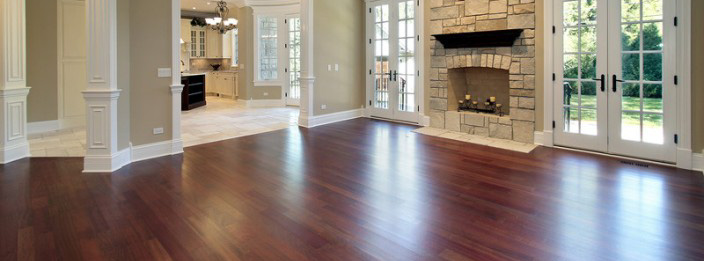


But a floor cannot provide generations of service if mistakes are made before the first board is installed.
Professional Bay Area hardwood installers protect your investment by looking beyond the surface. Subfloor condition, moisture, acclimation, board direction, fastening, expansion space and finishing all affect how that floor will perform years after the installation crew has left.
The beautiful wood you see is only part of a successful hardwood installation. Much of the work that determines whether the floor lasts happens underneath it.
A Good Installation Starts With the Floor Underneath
One of the biggest mistakes in flooring is becoming so focused on the new hardwood that nobody pays enough attention to what it is being installed over.
Before installation begins, the subfloor should be inspected for structural condition, flatness, moisture and anything else that could interfere with the new flooring.
A wood subfloor may contain loose areas, damaged material, excessive movement or uneven sections that need correction. Concrete presents different concerns, particularly moisture. Installing expensive flooring over a problem does not eliminate the problem. It simply hides it temporarily.
This is particularly important throughout the Bay Area, where homes vary enormously in age and construction. An older home may have original framing, previous repairs or floors altered during decades of remodeling. Other homes are built over concrete slabs where moisture and the installation method require a different approach.
A qualified flooring contractor evaluates these conditions before deciding how the hardwood should be installed.
Moisture Must Be Taken Seriously
Wood naturally reacts to moisture. As environmental conditions change, hardwood can gain or lose moisture and expand or contract accordingly.
This is normal behavior for wood. Problems develop when the flooring, subfloor and environment are not properly evaluated before installation.
Excessive moisture can contribute to cupping, crowning, gaps, movement or buckling. If a floor has previously experienced water damage, installing new hardwood before determining why that damage occurred can lead directly to another failure.
A moisture meter is an important tool, but taking a reading is only part of the job. The contractor must understand what the readings mean and determine whether the conditions are appropriate for installation.
If there is an active plumbing leak, moisture coming through a slab or another unresolved water problem, the answer is not to install the flooring and hope for the best.
Correct the moisture problem first. Install the hardwood second.
Hardwood Needs Time to Adjust to Its Environment
Acclimation is another important part of hardwood installation.
Wood flooring should not simply arrive at a property and automatically be installed because the boxes are there. The flooring and the conditions inside the home need to be evaluated so the installer understands how the material relates to the environment where it will remain.
Proper acclimation is not simply leaving flooring inside a house for an arbitrary number of days. Moisture conditions in the wood, subfloor and home matter more than following a calendar.
The objective is stability. Installing wood under unsuitable conditions can create problems later when the flooring responds to the environment around it.
The Installation Method Must Match the Floor
There is no single installation method that is correct for every hardwood floor.
Solid hardwood is commonly mechanically fastened over a suitable wood subfloor. Engineered hardwood may be glued to an approved substrate, mechanically fastened or installed according to another system designed for that particular product and site condition.
The correct method depends upon the flooring, subfloor, building and manufacturer's requirements.
This is one reason hardwood installation should not be treated as a generic construction job. A method that works perfectly in one house may be inappropriate in another.
A qualified hardwood installer should be able to explain not only how the floor will be installed, but why that installation method is appropriate for your home.
Solid and Engineered Hardwood Require Different Considerations
Solid hardwood is real wood throughout the board. When installed and maintained properly, it offers tremendous long-term value because it can generally be repaired, sanded and refinished throughout its service life.
This is the flooring that best represents what National Floors calls a Forever Floor.
Engineered hardwood also has a genuine hardwood surface, but that surface is installed over a layered core. Engineered flooring can be an excellent choice for certain applications, particularly where installation over concrete is required.
However, engineered hardwood products are not all equal.
The thickness of the hardwood wear layer is especially important. A quality engineered floor may have enough genuine wood to permit future refinishing. A product with an extremely thin veneer may offer little or no sanding potential.
That matters because the ability to refinish a floor is one of the reasons genuine hardwood can provide such exceptional long-term value.
Expansion Space Protects the Floor
Hardwood moves. A professional installer plans for that movement rather than trying to prevent it entirely.
Appropriate expansion space around the perimeter allows the flooring to respond to normal environmental changes without becoming trapped between walls and other fixed objects.
This detail is normally concealed by baseboards or shoe molding when the project is complete, but it serves an important purpose.
Too little room for movement can contribute to pressure within the floor. Too much space can create an unattractive finished installation. Proper planning allows the floor to move while still producing a clean perimeter.
National Floors also provides baseboard installation when required as part of the finished project. Baseboards should complement the installation, not be used to conceal poor workmanship underneath them.
Board Layout Changes the Appearance of the Entire Room
Hardwood installation is not simply a matter of starting against one wall and continuing until the opposite wall is reached.
Before installation begins, the contractor should consider board direction, room dimensions, hallways, adjoining hardwood, transitions, fireplaces, stairs, cabinets and other permanent features.
The lengths and natural variations of hardwood also need to be distributed properly. Random-length flooring should look naturally varied without creating distracting clusters of short boards or poorly aligned end joints.
Doorways and transitions deserve particular attention because they are places homeowners see and walk across every day. A technically secure floor can still look poorly installed if these visible details are treated as an afterthought.
Unfinished Hardwood Still Needs Professional Sanding
When unfinished hardwood is installed, fastening the boards is only part of the project.
The newly installed floor must then be professionally sanded. Sanding levels small differences between boards and creates the uniform surface required for staining and finishing.
This work requires professional sanding equipment and experience. Poor sanding can create waves, stop marks, edger damage and other defects that become even more noticeable after stain and finish are applied.
The goal is not simply to remove wood. The goal is to create a flat, consistent surface while removing only the amount of material necessary.
Stain Should Be Chosen on the Actual Floor
Stain does not look identical on every species of hardwood.
Oak accepts stain differently from maple, and even individual boards within the same species can vary because hardwood is a natural material.
This is why stain samples made on the actual floor are much more useful than selecting a color from a printed chart or small showroom sample.
Lighting also changes how a stain appears. Natural daylight, interior lighting, wall colors and surrounding furnishings can all affect how the homeowner perceives the finished color.
The purpose of sampling is not to make every board identical. Natural variation is part of genuine hardwood. The purpose is to give the homeowner a realistic idea of how the chosen stain will interact with the wood already in the room.
Sometimes the Best Installation Is No New Installation at All
Before replacing an existing hardwood floor, determine whether replacement is actually necessary.
We regularly see hardwood floors that homeowners assume are finished because they are scratched, dull, stained or badly worn. In many cases, the floor itself is still perfectly serviceable.
Repairs can address damaged areas and professional sanding can remove years of surface wear before a new stain and finish are applied.
Even individual damaged boards can often be replaced without demolishing the entire floor.
For additional information about evaluating existing flooring, visit our hardwood flooring questions and answers.
Hardwood is valuable precisely because it can be restored. Tearing out a repairable solid hardwood floor and replacing it with another material can mean throwing away one of the home's most durable assets.
Ask Who Is Actually Installing Your Floor
A beautiful showroom and a good salesperson do not install hardwood floors. People do.
Before hiring a contractor, homeowners should know who will actually perform the work, whether the company is properly licensed and whether hardwood flooring is genuinely its specialty.
In California, hardwood flooring is specialist trade work. Homeowners can verify a contractor's license, classification and current status through the Contractors State License Board.
National Floors holds a California C-15 Flooring and Floor Covering contractor license. When comparing companies, homeowners should verify that the contractor they hire is properly licensed for the work being performed.
Our guide on how to find a qualified flooring contractor explains what homeowners should check before making that decision.
Questions to Ask a Bay Area Hardwood Installer
A homeowner does not need to become a flooring expert before hiring someone, but a few questions can reveal a great deal about the contractor.
Ask how the subfloor will be evaluated. Ask whether moisture testing is necessary and how the contractor determines when conditions are acceptable. Ask why a particular installation method is being recommended. If engineered flooring is being considered, ask about the wear layer and whether future refinishing is possible.
Also ask what is included in the estimate. Removal of existing flooring, subfloor repairs, baseboards, transitions, stairs, sanding, staining and finishing can all affect the scope of a project.
A qualified contractor should be able to explain these things in understandable language. Homeowners should not have to approve a major flooring project without knowing what is being done and why.
A Hardwood Installer Is Protecting More Than Today's Appearance
A professional hardwood installation should look beautiful when the project is finished, but that is only the beginning.
The real test comes years later.
Does the floor remain solid and quiet underfoot? Were moisture conditions properly addressed? Does the layout still look balanced from the doorways? Can damaged areas be repaired? Can the floor eventually be refinished rather than demolished?
Those are the questions that separate a floor that simply looks good on installation day from one designed for long-term service.
At National Floors, we approach hardwood flooring with that long-term perspective. Whether we are installing a new floor, adding hardwood to an existing floor or restoring hardwood that has already served a home for decades, the objective is the same: protect the wood so the homeowner receives the greatest possible life from it.
A quality solid hardwood floor should not be thought of as a disposable surface.
Install it correctly, maintain it properly and refinish it when necessary, and a Forever Floor can serve a home for generations.
