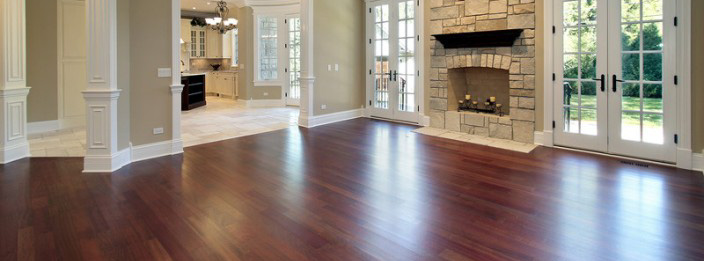

For Bay Area homeowners, moisture control deserves particular attention. Coastal humidity, wet winter weather, concrete slabs and everyday spills can all affect wood differently. The right routine protects both the visible finish and the timber beneath it, helping your floors stay stable, clean and valuable for longer.
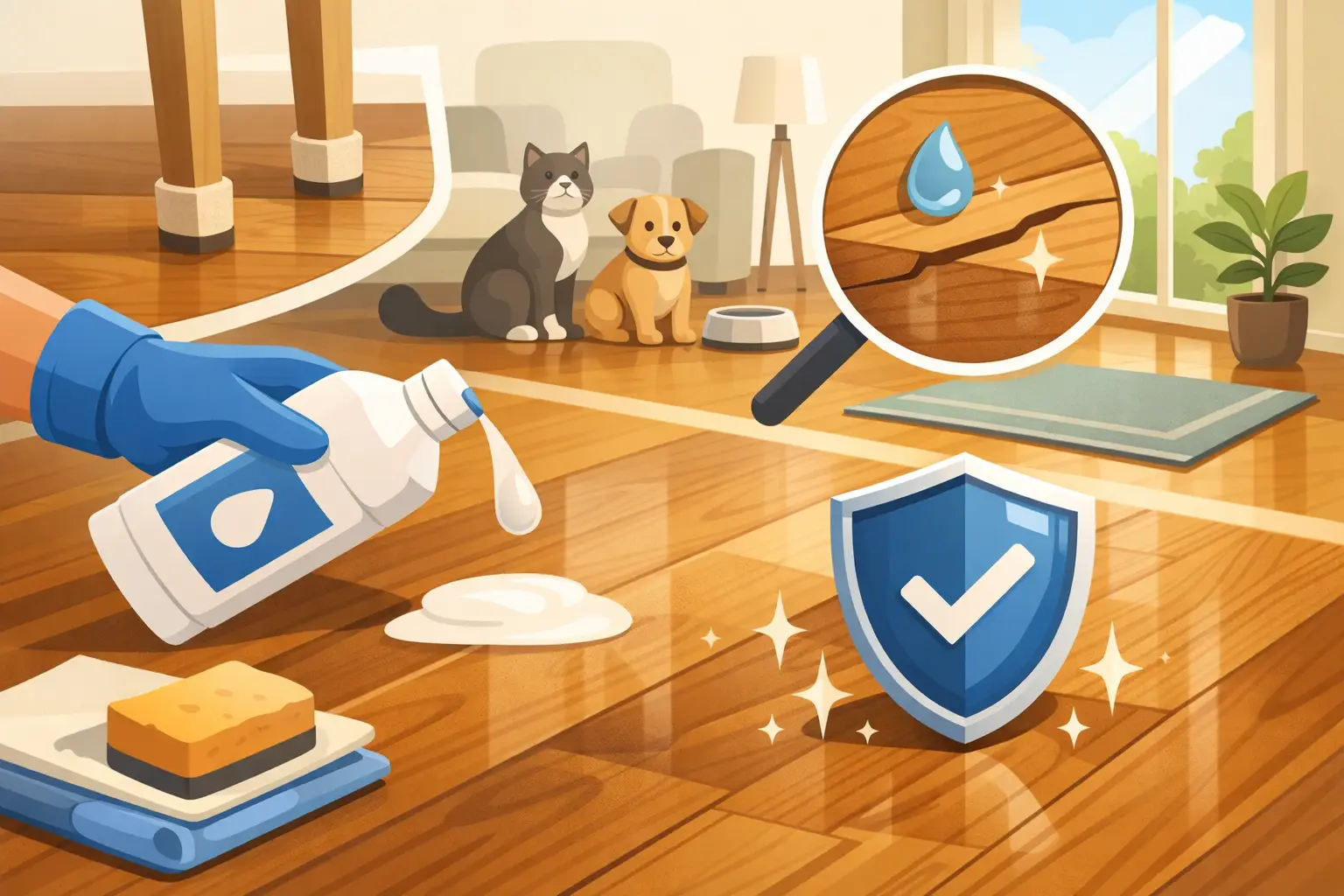
Start with grit, not polish
Most surface scratching is caused by fine grit tracked in from outside. Sand, dirt and small stones act like abrasive paper under shoes, pet paws and furniture. They can dull a finish gradually, so the damage is often noticed only when sunlight catches the floor at an angle.
Place durable mats outside and inside every exterior entrance, particularly at doors leading to gardens, garages and patios. Choose mats that trap dirt without having a rubber or plastic backing that can hold moisture against the timber or react with some finishes. Shake out or vacuum these mats regularly. A mat full of grit eventually becomes part of the problem.
Sweep, dust mop or vacuum the floor often, using a hard-floor setting with the rotating brush or beater bar turned off. In busy households, this may mean several times a week. A soft microfiber mop is effective because it collects fine particles rather than pushing them across the boards.
Protect hardwood floors from furniture damage
Furniture creates concentrated pressure in a small area. Dining chairs are the usual culprit because they are moved repeatedly, but sofas, beds, tables and heavy cabinets can also leave dents or scratches when dragged.
Fit clean, properly sized felt pads beneath chair and table legs. Check them every few months, as felt collects grit and eventually compresses. Replace pads that look thin, dirty or uneven. For chairs used daily, wider felt pads usually perform better than small adhesive dots.
Never slide heavy furniture across a wood floor. Lift it with help, use furniture sliders designed for finished wood floors, or ask a flooring professional for guidance where a large piece cannot be moved safely. If you are rearranging a room after refinishing, wait until the finish has cured according to the contractor's instructions before returning furniture and rugs.
Heavy furniture itself is not necessarily harmful when properly supported. The bigger problems are concentrated pressure, movement and debris trapped beneath furniture legs. For more information, see Can Heavy Furniture Damage Hardwood Floors?
Rugs are useful in high-traffic zones such as hallways, entrances and in front of kitchen worktops. They reduce scuffing and can make a room more comfortable, but they should be breathable and clean underneath. Lift them periodically to inspect for trapped moisture, color changes or uneven aging. Direct sunlight can alter exposed and covered areas at different rates, especially on natural oak and darker stains.
Treat water as a time-sensitive problem
Wood and standing water do not mix. A properly finished hardwood floor can handle normal household life, including a quick spill, but water that sits on the surface can work into board edges, seams and damaged areas of finish. Over time, this may cause cupping, staining, swelling or finish failure.
Wipe spills immediately with an absorbent cloth, then dry the area. Do not leave wet shoes, umbrellas, pet bowls or plant pots directly on the floor. Use waterproof trays beneath plants and inspect them after watering. A slow leak can be more damaging than an obvious spill because it has time to penetrate unnoticed.
Use only a lightly damp mop when cleaning. The mop should feel barely moist, not wet enough to leave water behind. Avoid steam mops on hardwood floors. Heat and moisture can penetrate joints and potentially damage the finish and wood. Harsh household cleaners, oil soaps, waxes and products not approved for your floor's finish can also leave residue or create difficulties when refinishing is needed later.
Humidity matters too. Wood naturally expands and contracts as moisture levels change. Keep indoor conditions as stable as practical through sensible heating, ventilation and air conditioning. This is especially important for wood flooring systems installed in homes with concrete slabs, in ground-floor rooms, near exterior doors or in properties with known moisture issues.
Persistent gaps, raised edges or cupping are not simply cosmetic concerns. They may point to a moisture condition that should be assessed before further damage develops. If water has already affected the floor, see Can Water-Damaged Hardwood Floors Be Saved?
Choose cleaning products for the finish you have
Not all hardwood floors are protected in the same way. Site-finished solid wood often has a durable polyurethane or water-based coating, while prefinished boards may have factory-applied aluminum oxide finishes. Some older floors have wax or oil-based systems. The safest cleaner depends on the coating, not just the species of wood.
If you do not know what finish is on your floor, avoid experimenting. A product that promises shine can leave a cloudy film, make the floor slippery or interfere with future sanding and recoating. Use a pH-neutral cleaner recommended for finished wood floors, apply it sparingly and follow the product directions closely.
There is a useful distinction between cleaning and restoring. Cleaning removes dirt and residue. It does not repair scratches that have cut through the protective coating, worn traffic paths or areas where bare timber is exposed. Adding more polish over a failing finish rarely solves the underlying issue.
Control sunlight and everyday wear
Sunlight is one of the less obvious influences on hardwood. Ultraviolet light can deepen, fade or change the color of timber and stain over time. This is not always a defect. Natural color development is part of owning a genuine wood floor, but uneven exposure can leave noticeable outlines when rugs or furniture are moved.
Use curtains, blinds or UV-filtering window treatments where intense afternoon sun reaches the floor. Rotate rugs and move smaller furnishings occasionally to encourage more even aging. For a closer look at this issue, see Can Sunlight Damage Hardwood Floors?
If one section of the floor has changed significantly, a professional assessment can determine whether a maintenance coat, screening and recoat, custom stain work or full refinishing is the appropriate solution.
Pets and children do not mean hardwood is impractical. They do mean maintenance needs to be realistic. Keep pet nails trimmed, clean muddy paws at the door and deal with accidents promptly. In homes with active children, use rugs in play areas and establish a shoes-off habit where possible. High heels, sports cleats and hard-soled shoes can concentrate force enough to dent softer wood flooring products.
Know when routine care is no longer enough
A quality finish is a protective layer, not a permanent shield. As it wears, the timber becomes more exposed to water and staining. Early action can often extend the life of the floor and avoid a deeper restoration later.
Look for dull traffic lanes that do not improve after proper cleaning, deep scratches that penetrate the protective finish, splintering board edges, recurring black stains, gaps that worsen seasonally, or boards that cup or crown. Water damage, termite damage and subfloor moisture require more than a cosmetic treatment. Sanding before the source is corrected can produce a good-looking floor briefly, only for the problem to return.
Solid hardwood can often be sanded and refinished multiple times, depending on its thickness, previous work and condition. Engineered wood needs more caution because its hardwood wear layer may be too thin for aggressive sanding. A trained flooring specialist should inspect the floor before recommending resurfacing, repair or replacement. This is where qualified workmanship protects your investment as much as daily care does.
Build a protection routine that fits your home
The best care plan is one you will actually follow. In a quiet household, regular dust mopping, entrance mats and prompt spill cleanup may be enough. In a home with children, pets, renters or frequent entertaining, plan for more frequent cleaning, stronger chair protection and closer inspections around doors, kitchens and pet areas.
Arrange a professional check when the finish begins to look tired rather than waiting for raw wood, stains or moisture damage to appear. National Floors uses professional assessment and dust-controlled sanding methods to help Bay Area property owners preserve the original character of their hardwood while restoring the protection it needs.
A wood floor should show life, not neglect. Protect it from grit, standing water and avoidable impact, and it can remain one of the most durable and rewarding features in your home for many years.
